
Migration anxiety keeps more bad CDN contracts alive than any discount does. The fear is rational only if you switch the way people imagine: all at once, on a Friday. Nobody competent does.
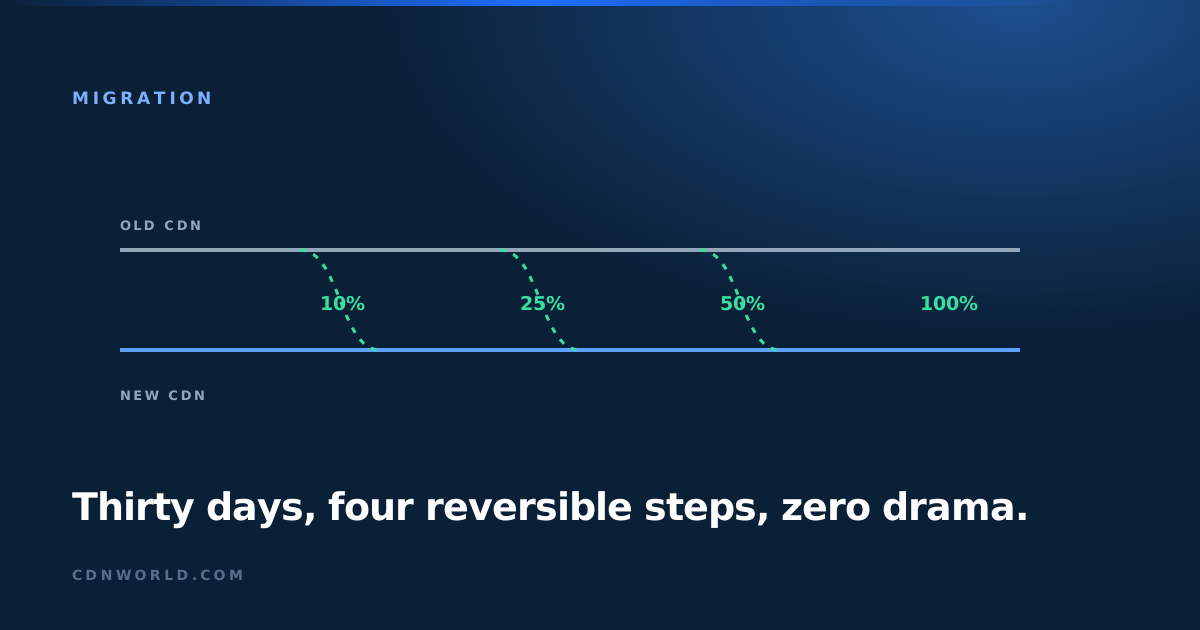
Weeks one and two: parallel running
Onboard the new provider alongside the old one. Mirror configuration, certificates and cache rules, then send it a harmless slice of traffic, a subdomain, a static path, a single region. Both CDNs run simultaneously; users notice nothing. The pattern generalizes: every step is small, observable and reversible, which converts a leap of faith into a staircase.
Week three: measured ramp
Shift traffic in steps, ten, twenty-five, fifty percent, watching the same dashboards each time: error rates, p95 latency per region, cache hit ratio, origin load. DNS-based steering makes each step reversible in minutes. Any regression, you step back and investigate at leisure. During the ramp, resist the urge to compress the schedule when early numbers look good. The weekly cycle exists because traffic has a weekly shape, and Tuesday’s success says little about Saturday’s peak.
The certificate and configuration mirroring in weeks one and two deserves unglamorous emphasis, because it is where migrations actually stumble. Cache rules, redirect logic, header manipulation and security policies accumulate years of undocumented intent, and the new platform will interpret ambiguity differently. Budget real engineering time for configuration archaeology, and treat every discovered discrepancy during the parallel phase as a gift: it surfaced while both networks were running and nobody’s traffic depended on the answer. The teams that rush this fortnight are the teams that later star in migration war stories.
Week four: cutover and keep
Complete the shift, but keep the old configuration warm until the first quiet week passes. Many teams then keep the outgoing provider at minimal commitment as a standby, which converts a migration into an accidental multi-CDN architecture with permanent negotiating leverage. The accidental multi-CDN ending deserves emphasis: the marginal cost of keeping the old provider warm is one minimum, and the negotiating value of a proven, configured alternative compounds every renewal thereafter.
In practice
Before week one, write the rollback criteria: which metric, at which threshold, triggers a step back. Decide it while calm. Migrations acquire momentum, and pre-agreed tripwires are what keep momentum from becoming commitment to a mistake. In our engagements this single document has prevented more incidents than any technical control.
We run migrations as part of engagements, and the runbook above is the actual shape of them.