
A growing share of CDN buying runs through advisors and resellers — and as a firm that is one, we would rather explain the model honestly than let it stay opaque. This guide covers what the channel actually does, where its economics come from, and what you should demand from anyone in it, us included.
What the channel actually does
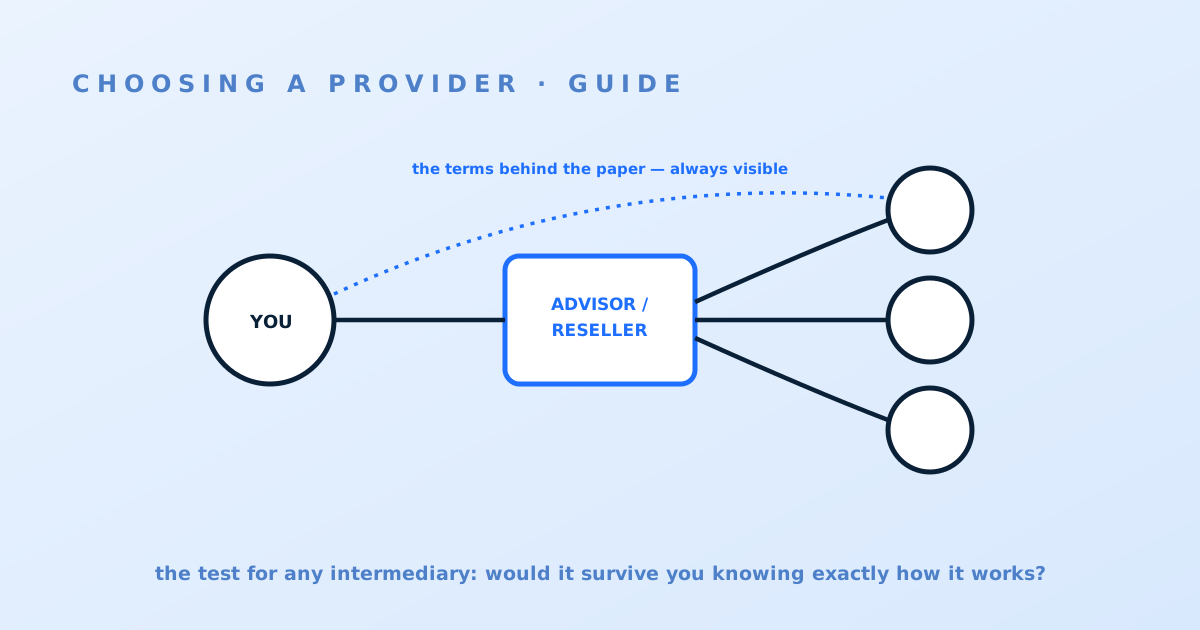
Advisors and resellers sit between buyers and CDN platforms doing some combination of four jobs. Selection: matching workloads to providers across a market too wide for most teams to evaluate deeply — the work this library packages. Commercial leverage: aggregating volume and market knowledge into pricing individual buyers rarely reach, and knowing which rates are actually movable. Integration and operations: configuration, migration, multi-CDN setup, and ongoing management for teams without delivery specialists. Contract intermediation: in true resale, holding the vendor contract themselves and selling you service under their paper — one throat to choke, at the cost of a layer between you and the platform. Know which of the four you are buying; disappointment in this channel is usually a mismatch between the job expected and the job sold.
Where the economics come from
The channel earns through some blend of: referral or partner commissions from vendors; margin between wholesale and resale rates; and fees you pay directly for advice or managed service. Each model tilts incentives differently — commissions reward volume toward paying vendors, resale margin rewards steering you to the intermediary's best wholesale terms, and direct fees align cleanest but appear on your invoice rather than being buried in a rate. None of this makes the channel suspect; it makes disclosure the test. An intermediary who explains their economics unprompted is showing you the alignment; one who claims to be free is charging you somewhere you cannot see.
The questions that establish trust
Five questions separate serious intermediaries from logo collectors. Which platforms can you actually transact, and which pay you more — answered specifically, not evasively. Have you ever recommended against a platform you resell — with an example. What happens at incident time: who do we call, what SLA applies, and does your escalation reach the vendor's engineers or their partner desk (the difference matters at 3 a.m., per the support tiers comparison). Can we see the vendor's own terms behind your paper — pass-through clauses hide there. And what happens if we leave you: is the contract, configuration and pricing portable, or does the relationship function as lock-in? Any answer that dodges portability is your answer.
Structuring the engagement
Whatever the model, four structural terms keep incentives aligned. Disclosure: economics on the table, in the agreement. Benchmarked pricing: your rates checked periodically against a reference — your own model from the TCO worksheet plus market bands — so the intermediary's margin cannot silently grow with your traffic. Defined operational boundaries: who configures, who monitors, who purges at 3 a.m., in writing. Exit mechanics: config export, contract assignment or replacement terms, and notice periods agreed at signing, when goodwill is highest. An intermediary confident in its value accepts all four without flinching; the flinch is diagnostic.
When to go direct instead
Honesty requires the boundary: the channel earns its margin where selection is genuinely hard (multi-region, multi-vendor, compliance-entangled estates), where your volume alone cannot reach good pricing, or where you lack the team to operate what you buy. Go direct when the opposite holds — one obvious platform, volumes large enough for vendor field teams to court you directly, and in-house delivery engineering that would duplicate the intermediary's operational role. Many mature estates land in between: direct contracts with an advisor on retainer for negotiations and architecture reviews, renegotiated per the renewal guide. The test for any arrangement, ours included, is the same one this whole library applies to vendors: would it survive you knowing exactly how it works? It should.